
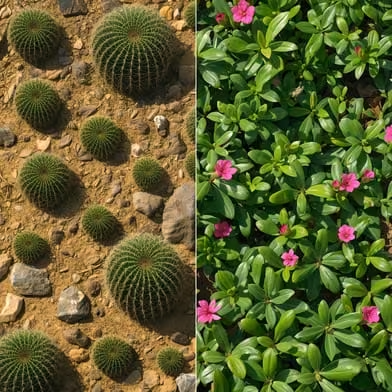
The story of every successful and attractive garden begins with understanding its surrounding environment and prevailing climate. Native plants offer a unique and valuable opportunity to enjoy nature’s beauty sustainably. They adapt to local conditions and help you create a vibrant green space without excessive effort—something we all need given our busy lives and daily pressures. Exploring the different types of these plants and choosing the right ones for your area opens up a world of possibilities for smart, environmentally balanced gardening.
Table of contents
1. Why Choosing Native Plants is Important for Your Garden
Choosing native plants for your garden is important because they naturally fit the local environment. They adapt well to the climate and soil, need less care than non-native plants, and help support local wildlife while keeping the ecosystem balanced.
1.1. Environmental Benefits of Native Plants
Local plants play a bigger role in protecting the environment than many people realize. They naturally fit into the surrounding ecosystem and provide food and shelter for local insects, birds, and wildlife, which helps support biodiversity. Because they are adapted to the local climate, these plants need less water and care, reducing the strain on natural resources and the use of chemical pesticides. Their roots also help hold the soil in place, reduce erosion, lower pollution, and maintain environmental balance over time.
1.2. How Native Plants Conserve Water and Energy
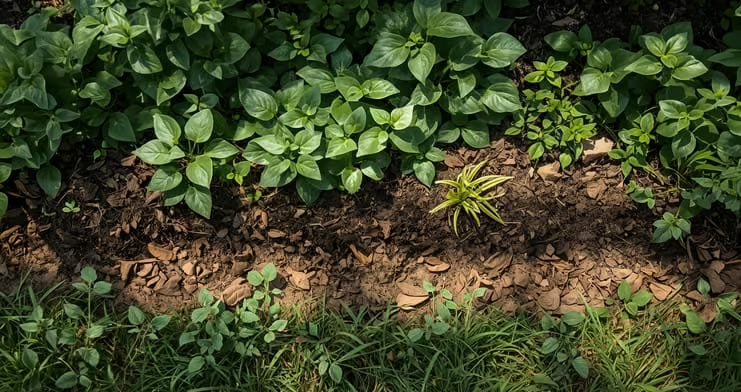
Indigenous plants naturally and efficiently conserve water and energy because they are adapted to the local climate. They need less watering compared to non-local plants, which reduces the water and energy required for pumping and transport. In addition, these plants usually don’t require many fertilizers or pesticides, which lowers the energy used in producing, transporting, and applying these materials. Their roots also help retain moisture in the soil for longer periods, reducing evaporation and increasing water-use efficiency. Moreover, since local plants require less maintenance, such as mowing and pruning, they also reduce the use of tools and equipment that consume fuel or electricity. Therefore, relying on local plants makes your garden more sustainable while saving both water and energy in the long run.
1.3. The Role of Native Plants in Supporting Local Wildlife
Local plants contribute to supporting wildlife, as they provide food such as flowers, fruits, and seeds that insects, birds, and small animals rely on. In addition, these plants offer safe shelter for local creatures, whether for breeding or hiding from predators. By hosting a variety of insects and birds, These plants also help maintain biodiversity and enhance ecological balance. Their local flowers also attract bees, butterflies, and other natural pollinators, ensuring that plants continue to be pollinated and that the natural life cycle is preserved.
2. How to Identify Your Climate Zone
Knowing your climate zone is a crucial step in creating a successful and sustainable garden. It helps you choose plants that naturally adapt to your area’s temperatures and rainfall, reducing the need for heavy watering or chemical use. In addition, understanding the local climate allows you to plan the planting and watering seasons more effectively, ensuring that your garden thrives with minimal effort and cost, while protecting the environment.
2.1. The Different Climate Zones Around the World
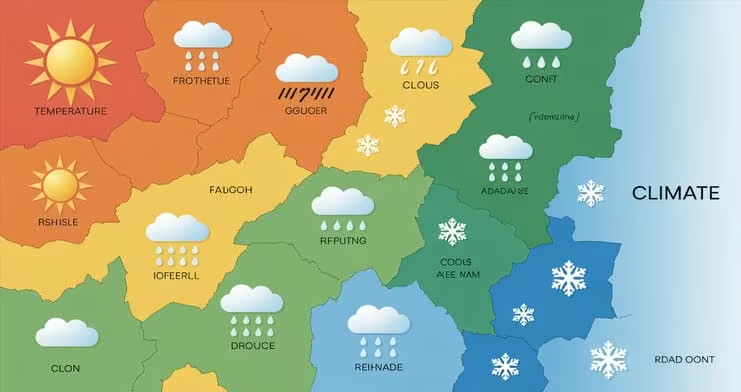
The world is divided into different climate zones based on temperatures, rainfall, and general weather conditions. There are tropical hot and humid regions, which feature long summers and heavy rainfall throughout the year, and dry desert areas, which experience high daytime temperatures and little rainfall. There are also temperate regions, characterized by relatively balanced and moderate seasons, and cold or polar regions, where low temperatures prevail for long periods along with snow. Understanding these climate zones is an important factor in choosing suitable plants for each environment, as well as ensuring the success of gardens and sustainable agriculture around the world.
2.2. Tools to Help You Identify Your Zone
To accurately determine your climate zone, there are online tools that help you identify your Plant Hardiness Zone, a system used worldwide to know which plants will thrive in your climate. One of the most popular tools is the USDA Plant Hardiness Zone Map, where you can enter your ZIP code to find your specific climate zone and the expected range of minimum temperatures. This information helps you choose the right plants for your garden and plan your planting and watering more effectively.
2.3. How Climate Zones Affect Plant Growth
Climatic zones are a crucial factor in plant growth because they determine the environmental conditions necessary for healthy growth. For example, temperature affects a plant’s ability to grow and bloom. Very hot areas can stress plants, while very cold areas may freeze them. Rainfall and humidity also determine which plants will thrive; moisture-loving plants need wet areas, while drought-tolerant plants prefer dry regions. Additionally, the seasons and sunlight provide a natural schedule for growth, flowering, and fruiting. Strong winds or storms can affect sensitive plants. Therefore, choosing plants suited to your climate zone is essential for healthy growth. It also reduces the need for extra watering or chemicals.
If you are interested in garden and plant topics, you can find more articles of this type here 👉
3. Top Tips for Choosing Native Plants for Each Climate Zone
Choosing native plants for your climate zone is key to a healthy, sustainable garden. They need less water and chemicals, thrive naturally, and support local wildlife.
3.1: How to Match Plants with Your Zone
To choose the right plants for your climate zone, start by understanding your area’s temperature, rainfall, humidity, and sunlight. Then, choose plants that adapt naturally. They will need less water, less care, and resist diseases better. It’s also important to consider planting and flowering seasons, while supporting local biodiversity and wildlife. By following these steps, you can create a thriving, sustainable garden that perfectly suits your climate.
3.2. Common Mistakes to Avoid When Choosing Native Plants
2.3.1. Choosing plants that don’t suit your local climate
Even native plants may require specific conditions not present in your area, like certain soil types or water levels.
2.3.2. Ignoring sunlight and shade requirements
Placing a shade-loving plant in full sun, or vice versa, can stunt growth or cause wilting.
2.3.3. Overlooking the plant’s mature size
Some small plants can grow much larger over time, causing overcrowding or shading other plants.
2.3.4. Neglecting plant diversity
Relying on just one plant species reduces biodiversity and doesn’t support local wildlife effectively.
2.3.5. Relying only on newly cultivated plants
Original native plants are often more disease-resistant and easier to care for than newly introduced varieties.
2.3.6. Overwatering or over-fertilizing
Even native plants can be harmed by too much water or excessive nutrients.
3.3. Best Native Plants for Dry and Hot Climates
3.3.1. Cactus
Cacti tolerate heat and drought, need very little water, and add a unique visual appeal to your garden.
3.3.2. Aloe Vera
A drought-resistant succulent that is easy to care for and has health and cosmetic benefits.
3.3.3. Lavender
Thrives in dry soil and full sun, produces beautiful flowers, and attracts bees and butterflies.
3.3.4. Rosemary
A fragrant herb that tolerates direct sunlight and requires little water, perfect for cooking.
3.3.5. Yarrow
Needs minimal water, resists heat, and attracts beneficial insects to support other plants.
3.3.6. Wild Thyme
Adapts well to hot, dry climates, grows in poor soil, and is aromatic.
3.3.7. Acacia
A small tree that tolerates heat and drought, provides shade, and supports local wildlife.
4. How to Care for Native Plants in Your Garden
Caring for native plants doesn’t require much effort, as they are adapted to your local climate. With a little simple care, you can keep them healthy and your garden beautiful.
4.1. Watering and Fertilizing Native Plants
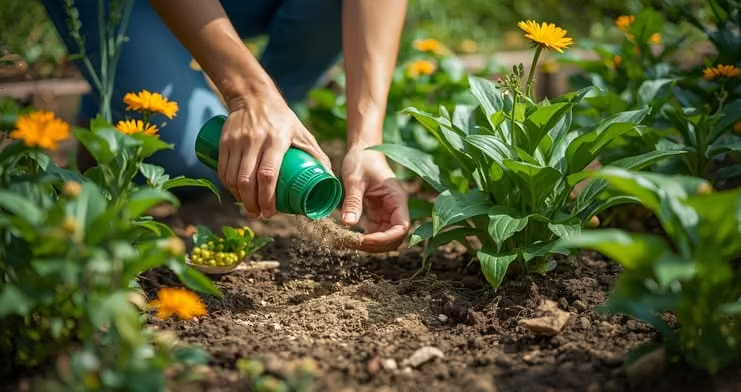
When caring for native plants, watering and fertilizing are among the most important steps to ensure healthy growth. Generally, native plants require less water compared to non-native species because they are adapted to your local climate. Therefore, it’s best to water them regularly but in moderation, while also monitoring the soil to avoid overwatering or drought. Regarding fertilization, using moderate natural or organic fertilizers is enough to keep plants healthy and improve soil quality. Moreover, proper fertilization promotes growth, flowering, and fruit production in productive plants, while reducing reliance on chemical products. In this way, your garden becomes healthier, more sustainable, and environmentally friendly.
4.2. How to Prune and Maintain Native Plants
Pruning and maintaining native plants is an essential step to keep them healthy and your garden beautiful. It starts with removing dead or damaged branches, which encourages new growth and prevents disease spread. Additionally, pruning helps maintain the plant’s natural shape and size, preventing overcrowding in your garden. Removing old flowers or seed heads can also stimulate blooming and improve overall plant health. It’s also important to clean pruning tools before and after use to avoid spreading pests or diseases. Overall, regular maintenance enhances the garden’s appearance and supports the long-term health of native plants.
If you want to get an idea of the tools and supplies you need for garden maintenance, you can read this article 👉.
4.3. Dealing with Pests and Diseases in Native Plants
Native plants are generally more resistant to pests and diseases than non-native plants, but they are not completely immune. It starts with regular monitoring to spot early signs of pests or diseases, like damaged leaves or slow growth.. Next, infected parts can be removed by hand or pruned to reduce the spread. Additionally, using natural methods like insecticidal soap or plant oils helps control pests without harming the plants or the environment. Moreover, maintaining healthy soil, moderate watering, and fertilization makes plants more resilient to attacks. Overall, early action and proper care reduce chemical pesticide use and support native plants’ long-term health.
Native plants are more than just decorative elements in your garden—they are the key to a healthy, sustainable space. They work best when you choose types suited to your climate, which boosts natural growth, reduces water and chemical use, and supports local wildlife. By understanding how to water, fertilize, prune, and monitor them for pests and diseases, you can create a beautiful, strong, and environmentally balanced garden. Following these tips will help your garden thrive easily and sustainably, saving you time and effort in the long run.